Custom Toy Manufacturing Process
Custom Toy Manufacturing Process: From Prototype to Final Packaging
When developing a custom toy, turning an idea or drawing into a finished product requires more than simply manufacturing the toy. A reliable production process ensures that the final product matches the approved design, meets quality requirements, and is ready for safe and efficient delivery.
As an experienced toy manufacturer, we follow a structured custom toy manufacturing process from prototype development and material sourcing to precision cutting, sewing, quality inspection, and final packaging.
Our standard production workflow includes six key stages:
Prototype Development → Fabric Procurement → Laser Cutting → Sewing & Stitching → Quality Inspection → Packaging & Final Quality Inspection
Each stage is carefully controlled to maintain product consistency and quality throughout the manufacturing process.
1. Prototype Development
Every custom toy manufacturing project starts with a prototype.
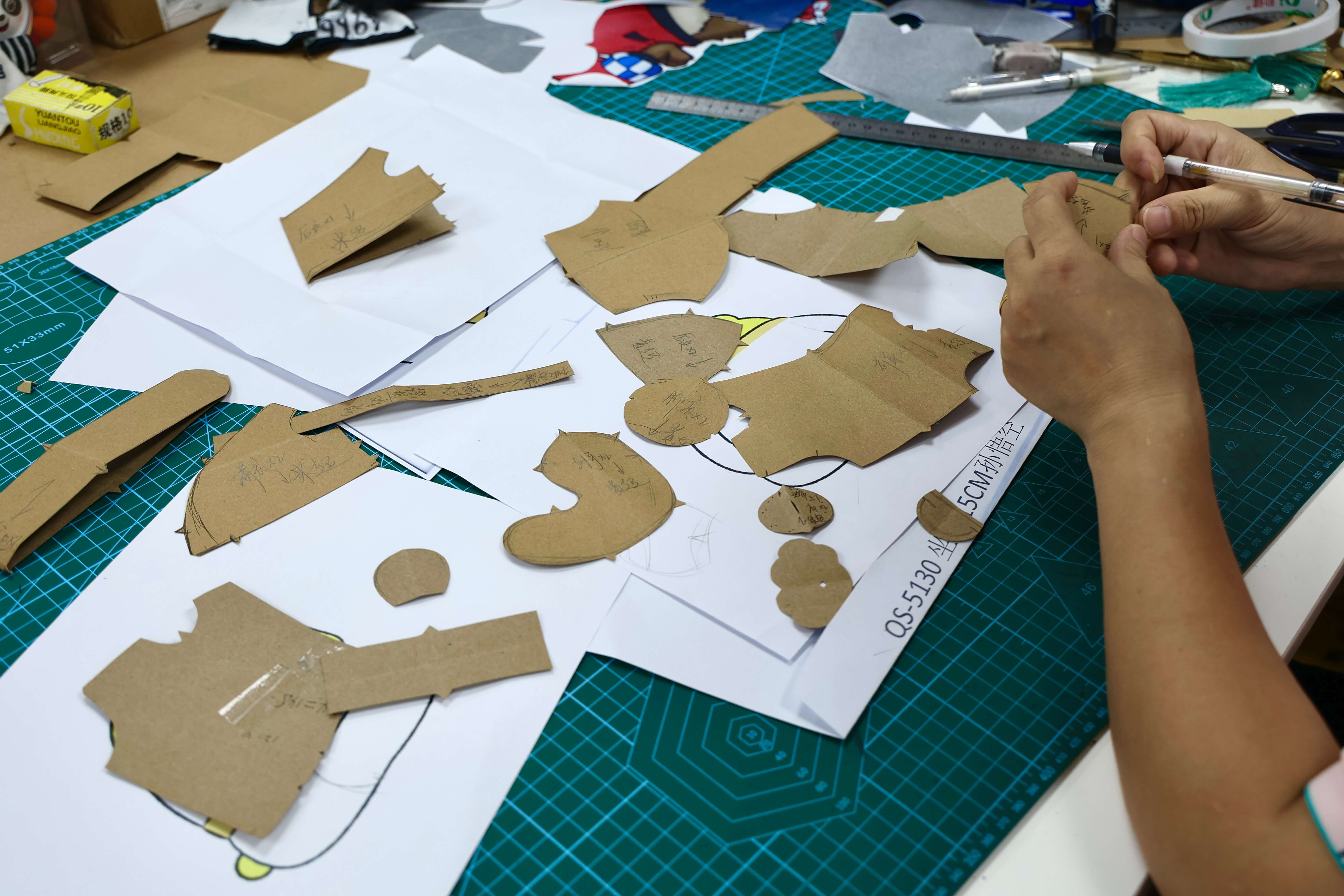
Before mass production begins, our team reviews the customer's artwork, drawings, specifications, dimensions, colors, materials, and other product requirements. Based on the approved design, our pattern-making and production teams develop the first physical prototype.
The prototype allows customers to evaluate the actual appearance and construction of the toy before moving into mass production.
During this stage, we focus on:
Product dimensions and proportions
Shape and structure
Fabric and material selection
Color matching
Sewing construction
Embroidery or printed details
Accessories and decorative elements
Overall appearance and functionality
If adjustments are required, the prototype can be modified and refined until it meets the customer's expectations.
This stage is particularly important for custom plush toys and OEM/ODM toy projects, because small changes to the pattern or construction can affect the appearance and manufacturing cost of the final product.
Once the prototype is approved, the final specifications become the production reference for the following stages.
2. Fabric Procurement
After the prototype is approved, we begin sourcing and preparing the required materials.
For plush toys and fabric-based products, fabric has a significant impact on the final appearance, softness, durability, and overall quality of the toy.
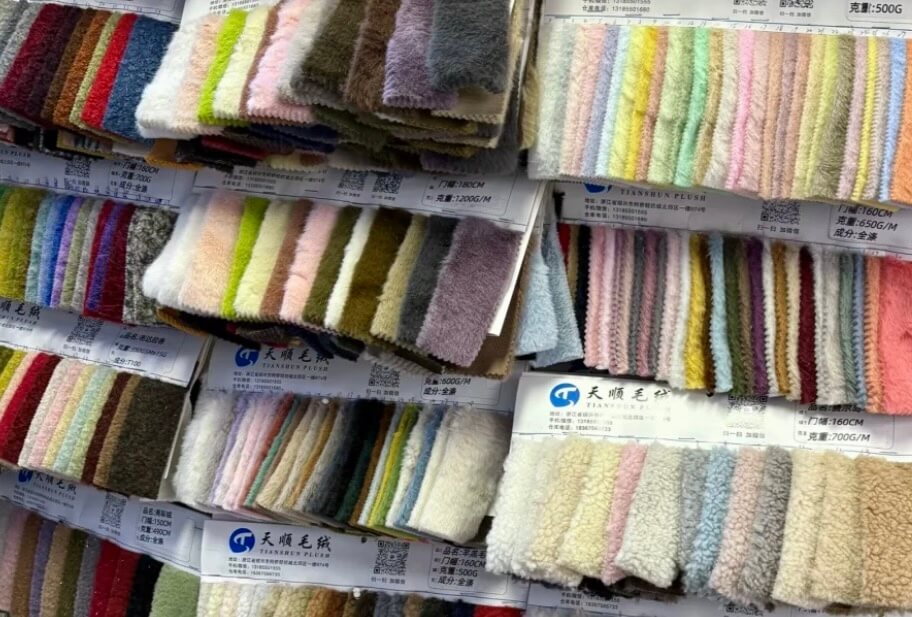
Depending on the product requirements, different materials may be selected, including plush fabric, short-pile fabric, polyester fabric, cotton fabric, or other customized materials.
Before production, the fabric is checked according to the approved specifications.
Key inspection points include:
Fabric color and consistency
Surface quality
Texture and softness
Fabric thickness
Material specifications
Color matching with the approved sample
Visible defects or contamination
For larger production orders, maintaining consistent material quality is especially important. Using materials that match the approved prototype helps ensure that different production batches maintain a consistent appearance.
Only approved materials are released for production.
3. Laser Cutting
Once the fabric has passed the incoming inspection, it moves to the cutting stage.
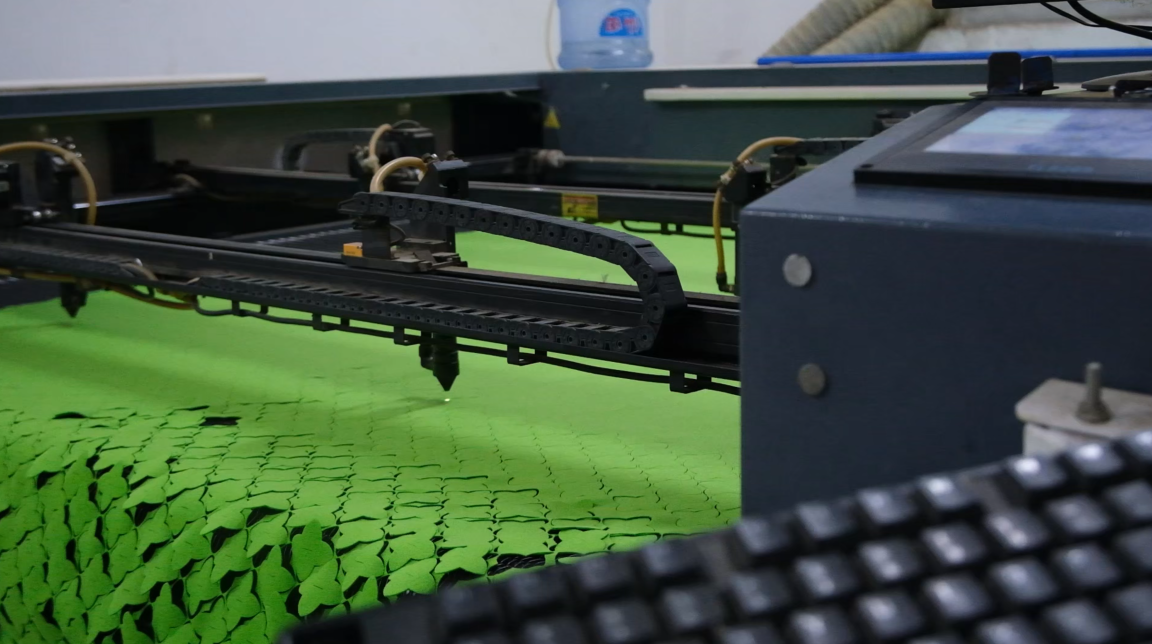
Based on the finalized patterns, fabric pieces are accurately cut according to the approved dimensions and shapes.
For suitable materials and production requirements, laser cutting can be used to achieve precise and consistent cutting results.
The cutting process helps control:
Pattern dimensions
Cutting accuracy
Shape consistency
Production efficiency
Material utilization
Batch-to-batch consistency
Each component is cut according to the approved pattern and then organized for the sewing process.
For custom toys with multiple fabric components, accurate cutting is essential. Even a small deviation in a component can affect the shape and proportions of the finished toy after sewing and stuffing.
After cutting, the fabric pieces are sorted according to the production order to reduce assembly errors and improve production efficiency.
4. Sewing and Stitching
Sewing is one of the most important stages in custom toy manufacturing.
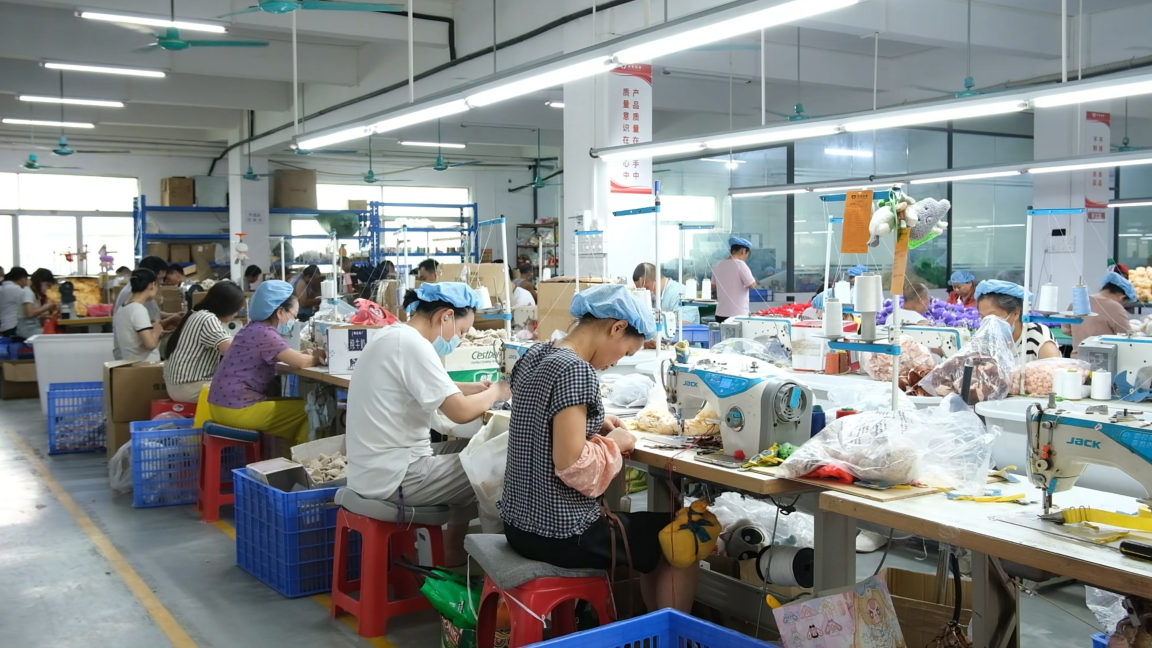
The individual fabric components are carefully assembled according to the approved prototype and production specifications.
Experienced sewing operators work according to the established construction process to ensure that each component is assembled correctly.
During sewing and stitching, we pay close attention to:
Stitch consistency
Seam strength
Thread tension
Component alignment
Shape and symmetry
Seam allowance
Loose threads
Overall workmanship
For plush toys, different parts such as the head, body, arms, legs, ears, and other components may need to be assembled separately before final assembly.
Depending on the design, additional processes such as embroidery, printing, accessory attachment, stuffing, or hand stitching may also be incorporated into the production process.
The goal is to make every finished toy as consistent as possible with the approved prototype.
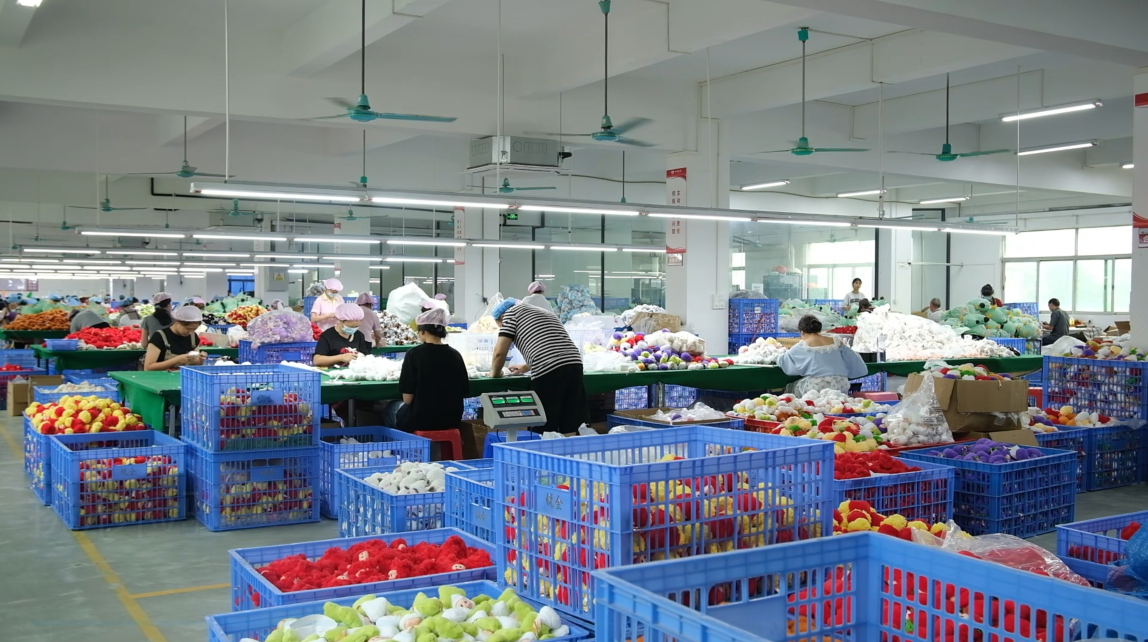
5. Quality Inspection
Quality control is carried out throughout the manufacturing process rather than only at the end.
After production, finished toys are inspected against the approved sample and production specifications.
Our quality inspection focuses on both appearance and workmanship.
Typical inspection points include:
Product dimensions
Shape and symmetry
Fabric quality
Color consistency
Stitching quality
Seam strength
Embroidery or printed details
Accessory attachment
Loose threads
Surface cleanliness
Overall appearance
Any product that does not meet the required specifications can be identified and separated for rework or further evaluation.
A structured quality control process helps prevent defects from reaching the packaging stage and provides customers with greater confidence in the consistency of their production orders.
For toy manufacturers serving international customers, quality control is particularly important because products may need to meet specific customer requirements and applicable market or safety standards.
6. Packaging and Final Quality Inspection
The final stage combines packaging preparation with a final quality check before shipment.
Before products are packed, the finished toys are checked again to ensure that they meet the approved requirements.
The final inspection may include:
Appearance inspection
Product quantity verification
Packaging inspection
Label and tag verification
Accessory verification
Carton and packing requirements
Final product cleanliness
Order specification confirmation
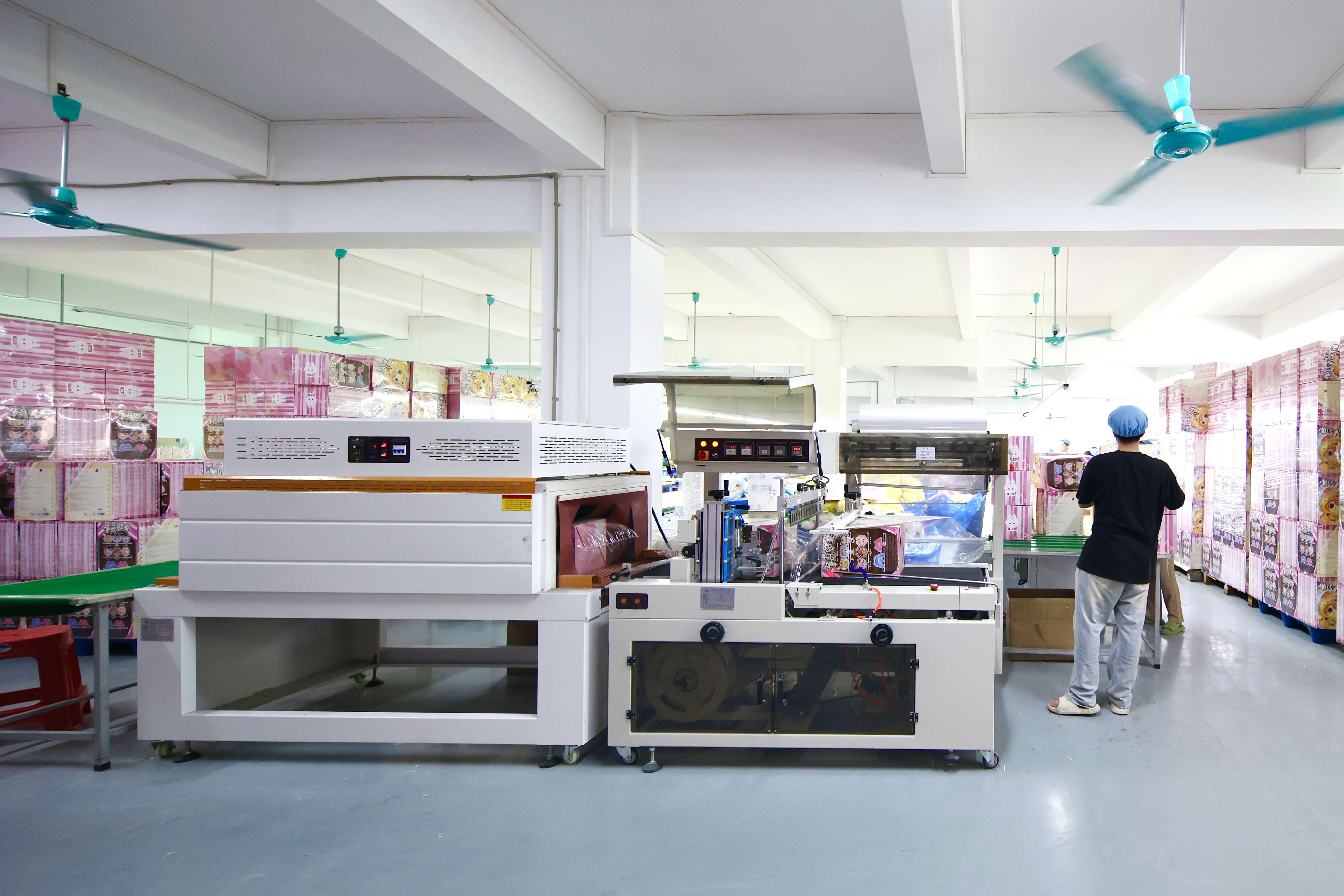
Once the products pass the final inspection, they are packed according to the customer's packaging requirements.
Depending on the project, packaging can be customized according to factors such as:
Individual polybags
Custom printed packaging
Product labels
Hang tags
Inner cartons
Master cartons
Customized shipping marks
The packaged products are then prepared for shipment.
Product Information
Product name
Size(cm)*
Quantity(pcs)*
Contact*
Other requirements
Sample image*
Note:Up to 3 files, each within 500M


